The Adriatic Sea
The Adriatic Sea, the Mediterranean's northernmost arm, reaches its deepest point off Montenegro, whose 293.5 km coast holds seagrass meadows, dolphins and Blue Flag beaches.
The sea that shapes Montenegro's coast
About the Location
The Adriatic Sea is the northernmost arm of the Mediterranean, stretching between the Italian and Balkan peninsulas. It connects to the Ionian Sea through the Strait of Otranto, which is just over 70 kilometres wide. Around 800 kilometres long and covering approximately 138,600 km², the Adriatic is shared by six countries: Italy, Slovenia, Croatia, Bosnia and Herzegovina, Montenegro and Albania.
The sea has two distinct basins. The northern Adriatic is relatively shallow, with an average depth of around 40 metres, while the southern basin is considerably deeper and holds more than 80% of the Adriatic's total water volume. Its deepest point, reaching approximately 1,233 metres, lies in the South Adriatic Pit, between Italy and Montenegro. Along the eastern coastline, more than 1,200 islands, islets and rocks create a distinctive maritime landscape, most of them belonging to Croatia. The sea is thought to take its name from the ancient settlement and port of Adria in present-day Italy.
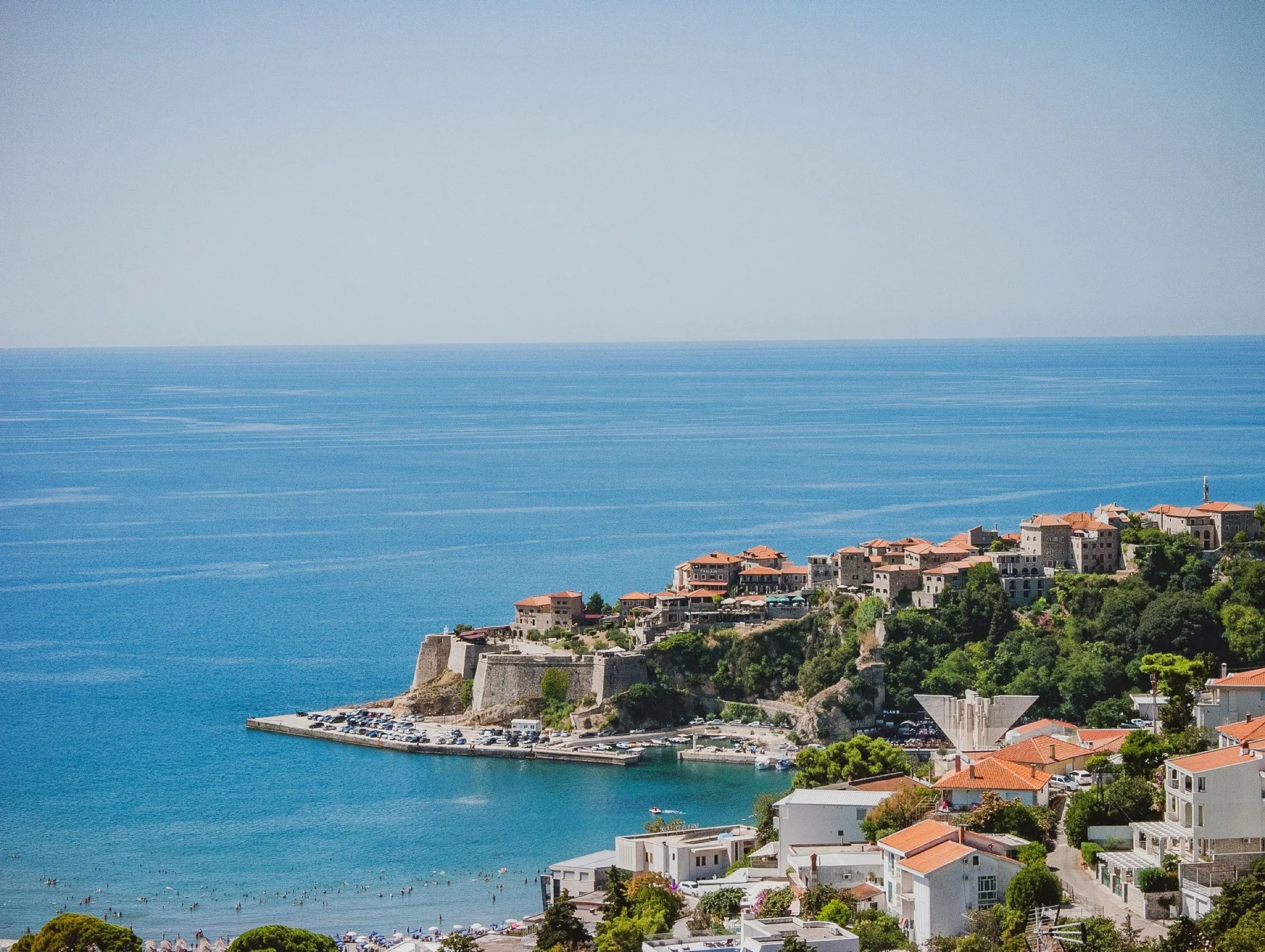
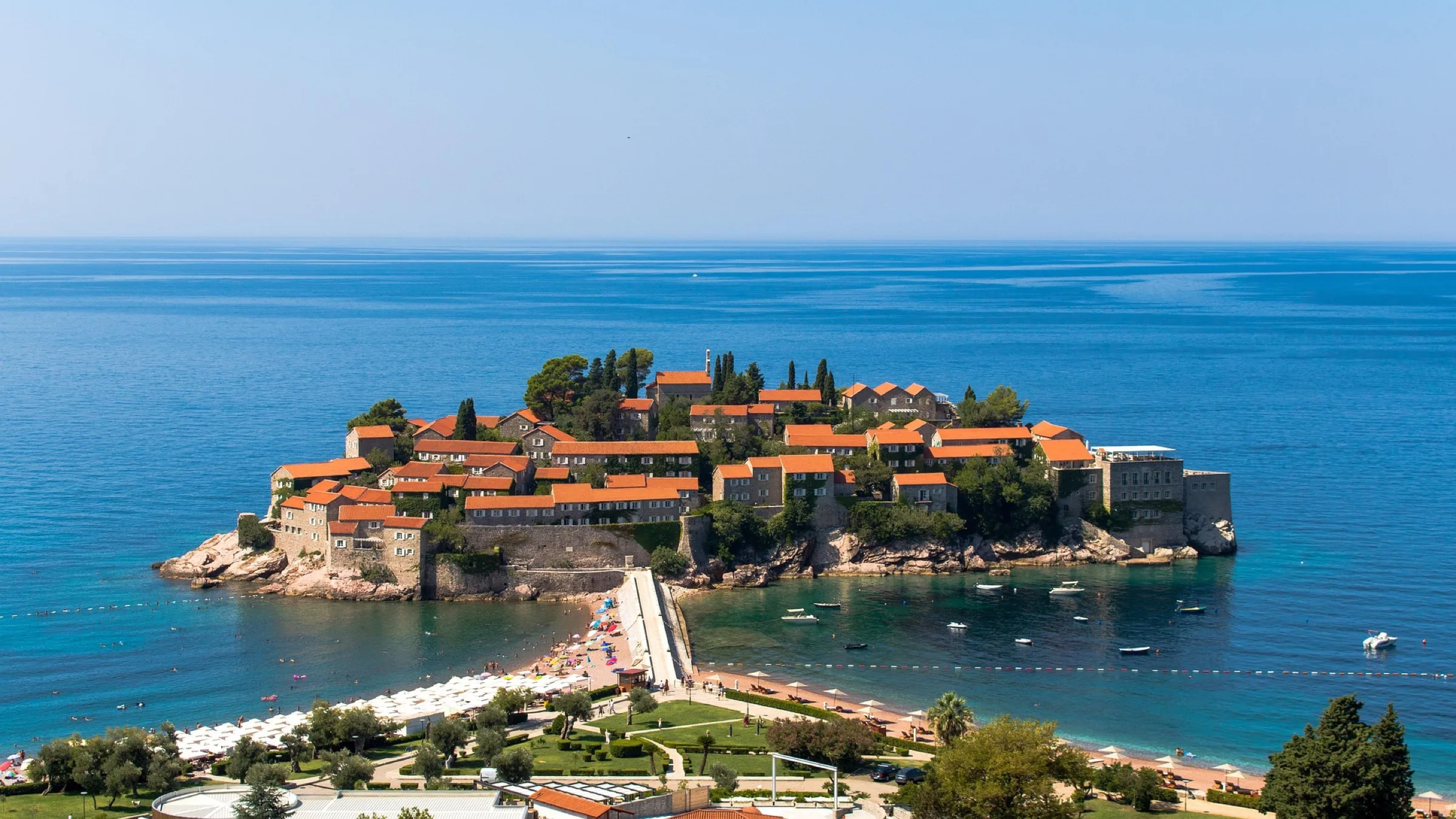
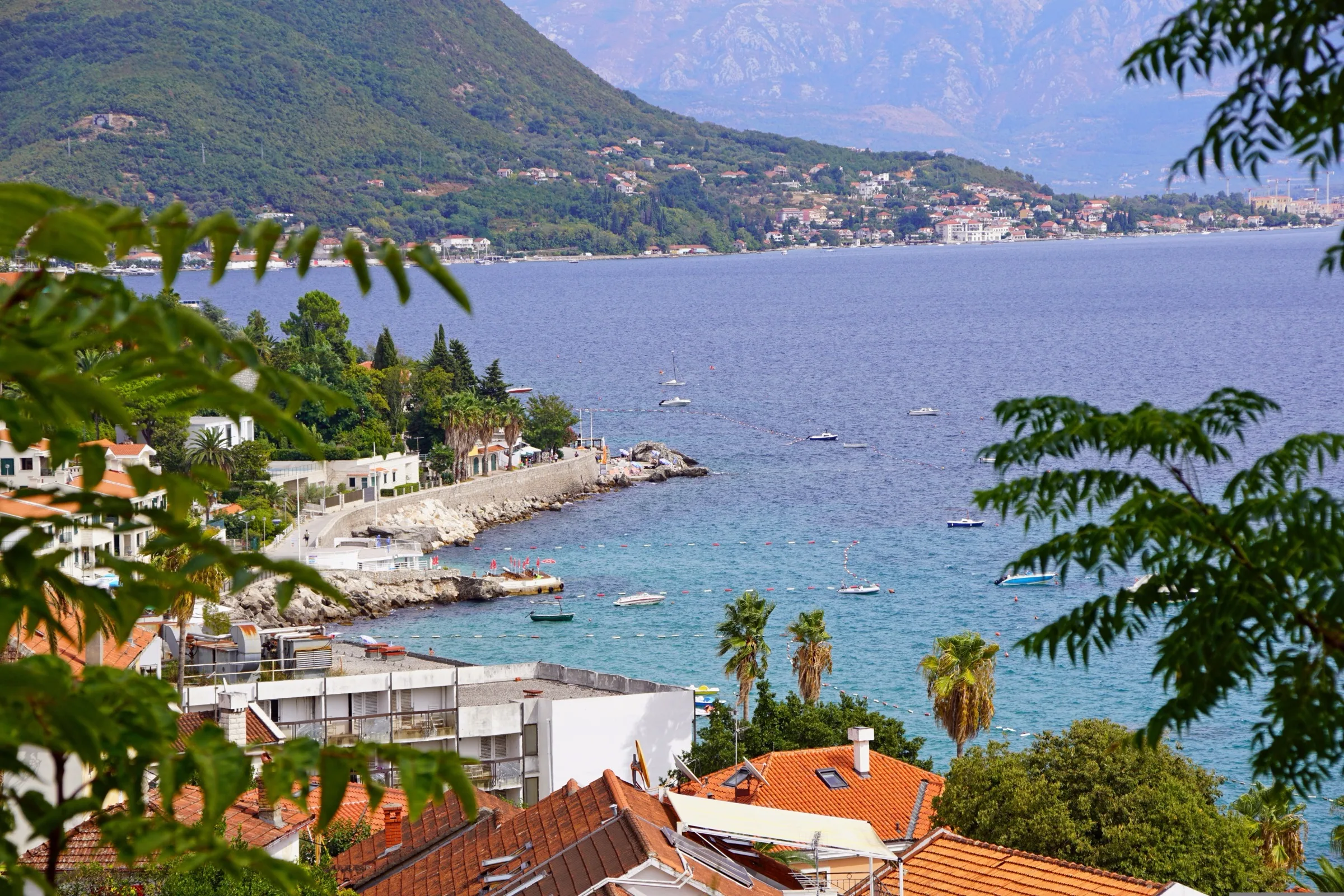
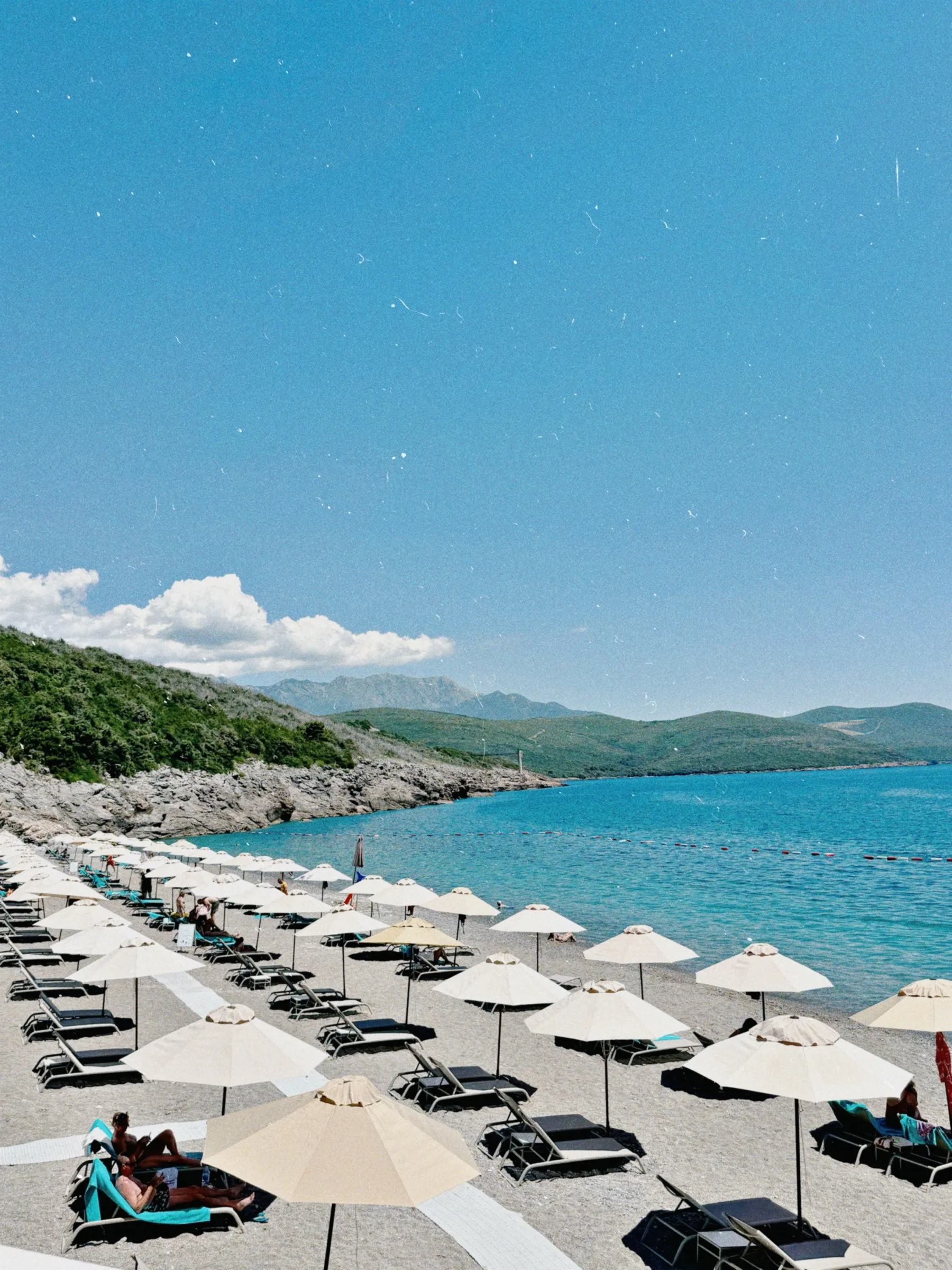
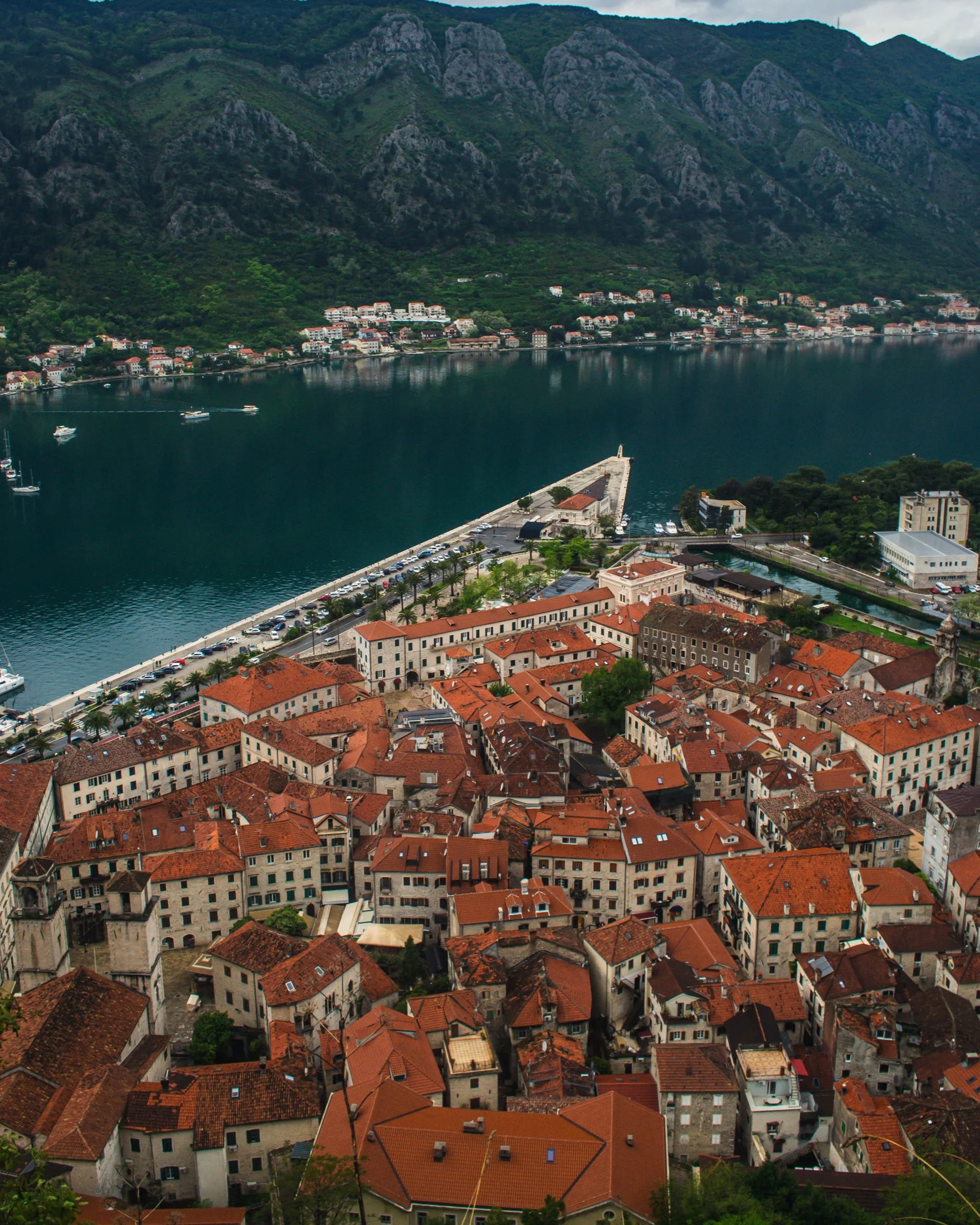
Montenegro occupies the southern Adriatic, with 293.5 kilometres of coastline stretching from the Bay of Kotor to the mouth of the Bojana River. Here, the coastline shifts between sheltered bays, historic seaside towns, rocky headlands and long sandy beaches. The southern Adriatic is also influenced by the exchange of water with the Ionian Sea through the Strait of Otranto, contributing to its relatively high salinity, typically just below 39. Just off Budva, Sveti Nikola Island is the largest island along Montenegro's open Adriatic coast.
The underwater world is just as remarkable. Meadows of Posidonia oceanica, a protected seagrass species essential to marine biodiversity, thrive in parts of the Montenegrin Adriatic. These habitats are protected within Platamuni Nature Park, established in 2021 as Montenegro's first marine protected area, and Katič Nature Park. Dolphins of the bottlenose species can also be found along the coast, particularly in the Bay of Kotor and the waters off Bar and Ulcinj. The Blue Flag programme adds another dimension to Montenegro's coastal appeal, with 36 beaches awarded the Blue Flag in 2026, including 18 in Budva and 11 in Ulcinj.
What Makes It Special
The southern and deepest part of the Adriatic, with 293.5 kilometres of Montenegrin coastline
The South Adriatic Pit, reaching approximately 1,233 metres between Italy and Montenegro
Protected Posidonia seagrass meadows in Platamuni and Katič nature parks
Dolphins inhabiting coastal waters, including the Bay of Kotor and the areas off Bar and Ulcinj
A varied coastline of sheltered bays, historic towns, sandy beaches and rocky shores
Good to Know
Swimming season: May to October, with the warmest sea temperatures usually in July and August
Blue Flag beaches: 36 in Montenegro in 2026, including 18 in Budva and 11 in Ulcinj
Marine protected areas: Platamuni Nature Park, established in 2021, and Katič Nature Park
Largest island off the open coast: Sveti Nikola, near Budva
Experiences
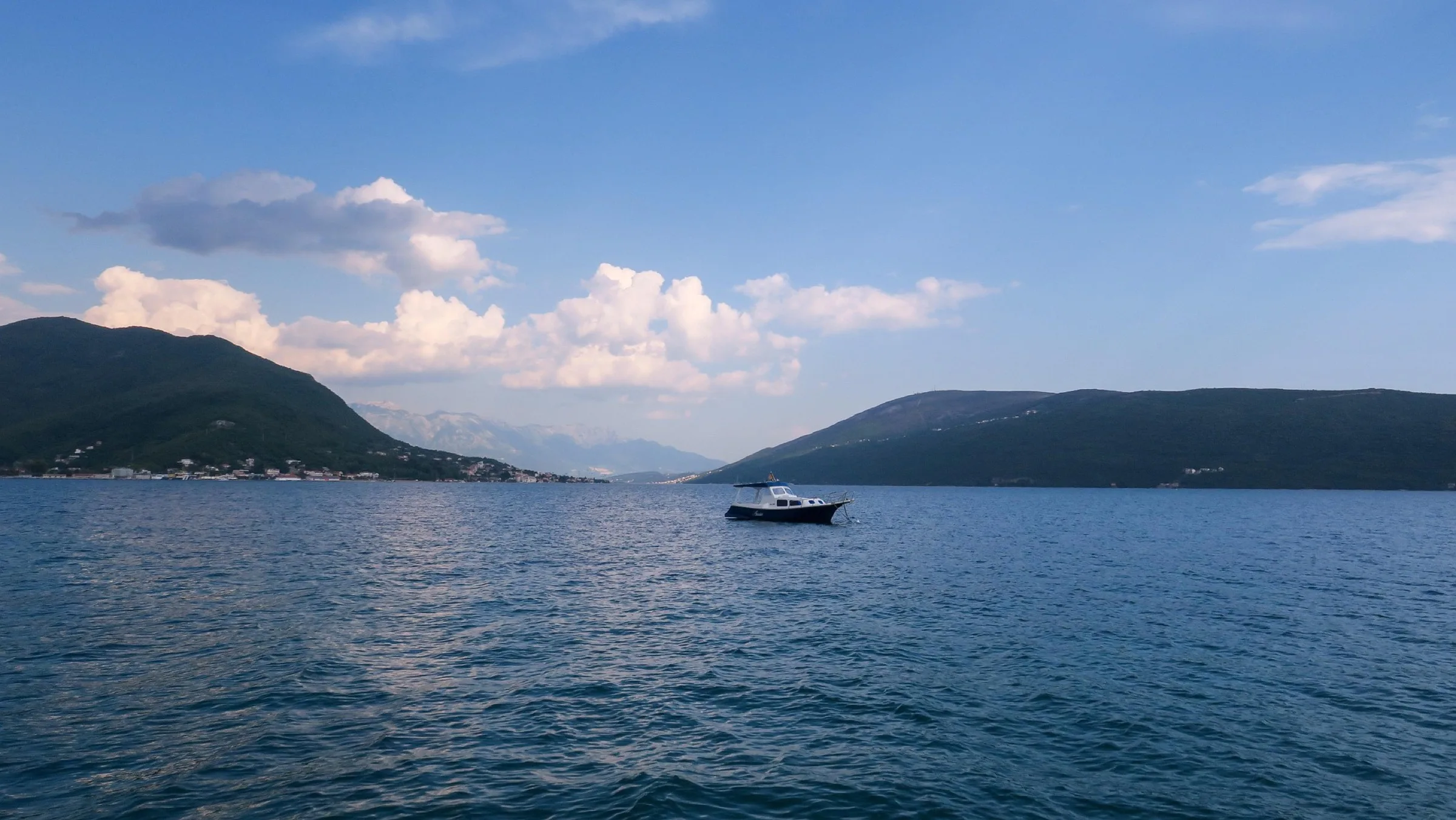
The best way to experience the Adriatic in Montenegro is to spend time on the water. Take a boat trip from the sheltered Bay of Kotor towards the open sea, explore the coastline around Budva or head south to the beaches of Bar and Ulcinj. During the swimming season, enjoy the clear waters, discover quiet coves and snorkel in suitable coastal areas where Posidonia meadows provide shelter for marine life. A boat excursion towards Sveti Nikola Island offers a different perspective of the Budva Riviera, while a little patience may reward you with a glimpse of dolphins in their natural habitat.
Plan my trip
Tell us your dates. A real person answers, with a route.