The Bay of Kotor
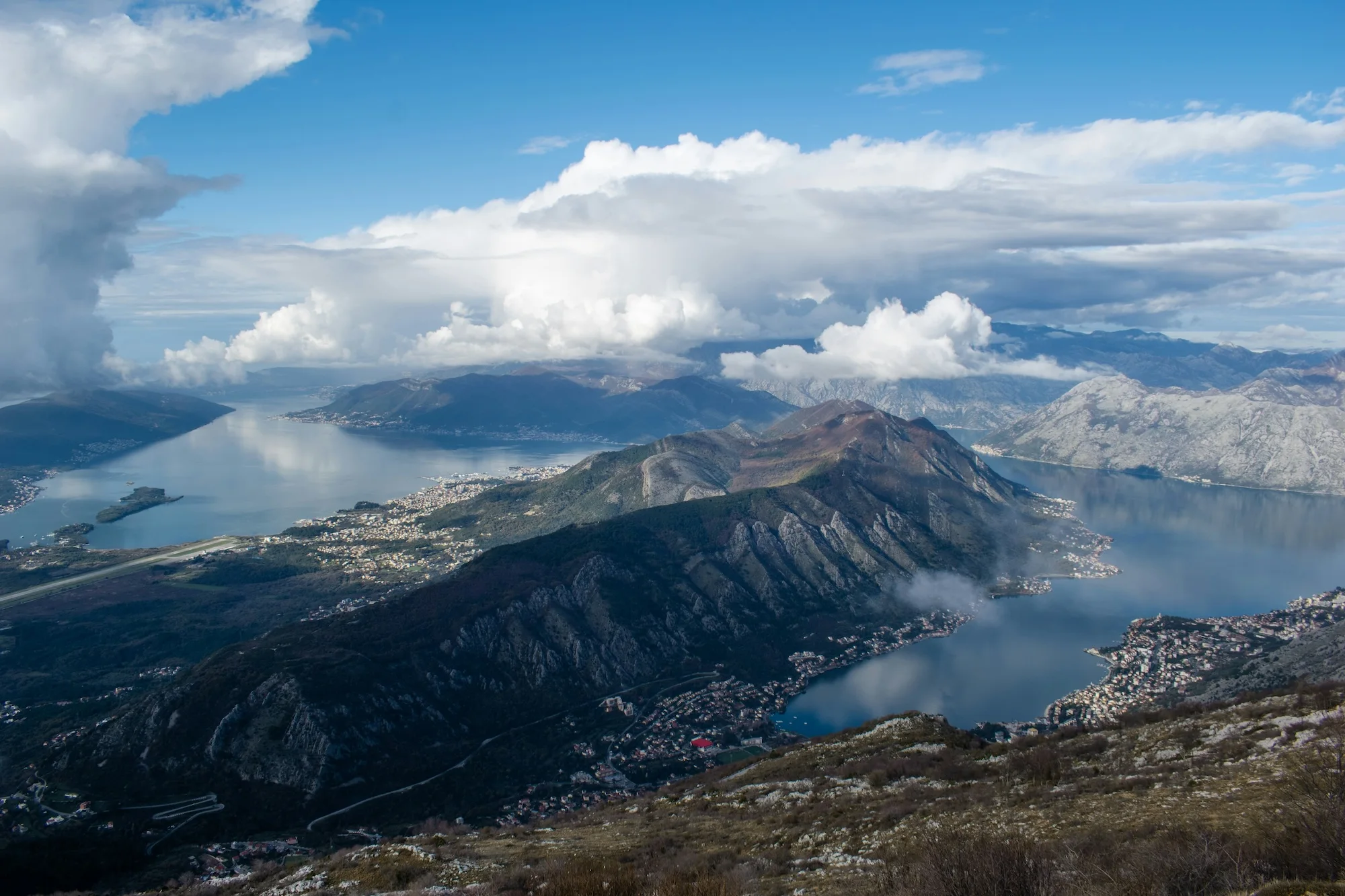
The Bay of Kotor is a river canyon drowned by the Adriatic between steep mountains, with the UNESCO-listed towns of Kotor, Perast and Risan and Our Lady of the Rocks.
A coastal landscape shaped by the Adriatic Sea and mountains
About the Location
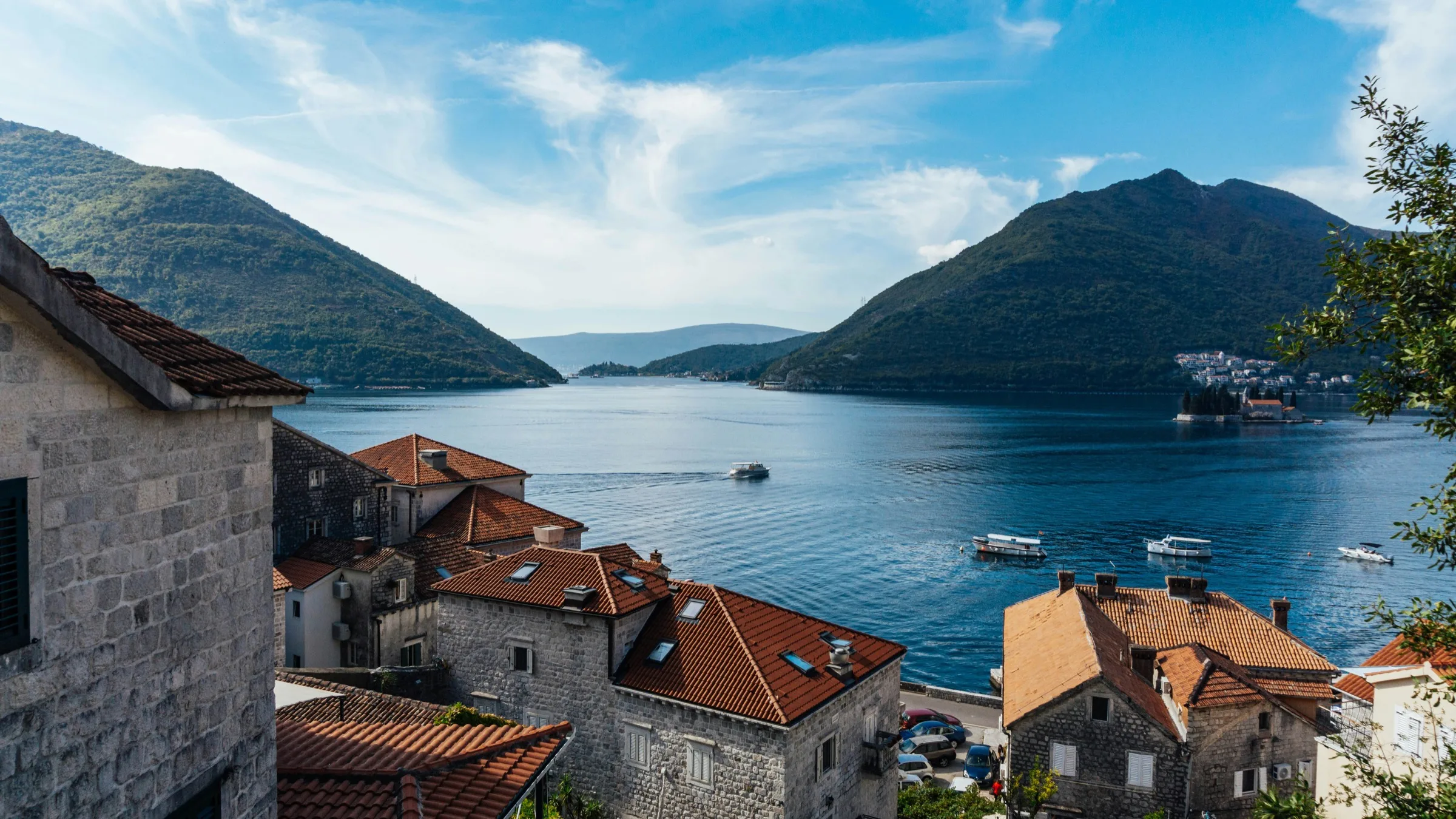
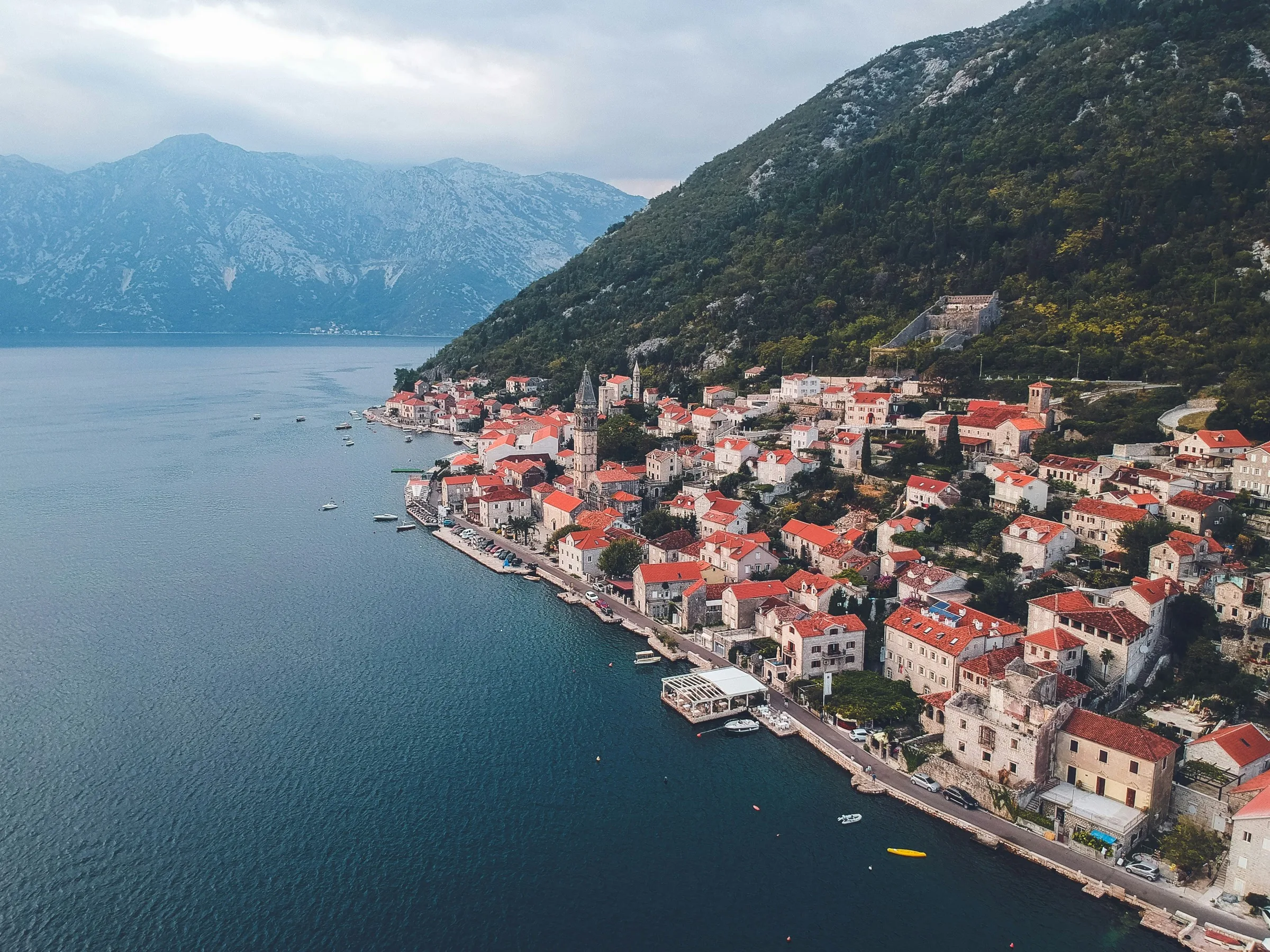
In the south-west of Montenegro, the Adriatic Sea reaches deep inland between steep limestone mountains, forming the spectacular Bay of Kotor, known locally as Boka Kotorska. Geographically, it is a ria, a submerged river valley often mistaken for a fjord. Its winding coastline is lined with medieval stone towns, historic churches and former seafarers' villages, creating one of the most distinctive landscapes on the Adriatic.
The bay opens to the sea between Cape Oštro on Prevlaka, a small uninhabited peninsula that belongs to Croatia, and Cape Arza on the Luštica peninsula. Between them rises the islet of Mamula, named after the Austrian general Lazar Mamula, who built its fortress in the 1850s. In 1942 and 1943 the Italian occupiers used the fortress as a concentration camp where more than 2,000 people were held, and today it houses a hotel.
From the entrance, the bay winds 15 nautical miles, about 28 km, inland to Kotor. Past Herceg Novi and Igalo it narrows at the Kumbor Strait before opening into the Tivat Bay, its largest part. At Verige, only about 340 m wide and the narrowest point of the bay, a car ferry links Kamenari and Lepetane and saves the drive around the inner bay. Beyond lie the inner bays of Risan to the north-west and Kotor to the south-east, where Perast, Dobrota and Prčanj line the shore and Kotor waits at the far end. Cruise ships follow the same route, as Kotor is one of the busiest cruise ports on the Adriatic. In 2024 almost 480 cruise ships called there, bringing close to 590,000 passengers, and the largest of them anchor in the bay and bring passengers ashore by tender.
The inner bay, with Kotor, Perast and Risan, has been a UNESCO World Heritage Site since 1979, recognised as the Natural and Culturo-Historical Region of Kotor. Following the devastating earthquake of 15 April 1979, the site was placed on the List of World Heritage in Danger, where it remained until 2003. Kotor's medieval walls climb steeply from the Old Town towards the Fortress of St John, offering panoramic views over the rooftops and the inner bay. The city's fortifications are also part of the UNESCO-listed Venetian Works of Defence between the 16th and 17th Centuries.
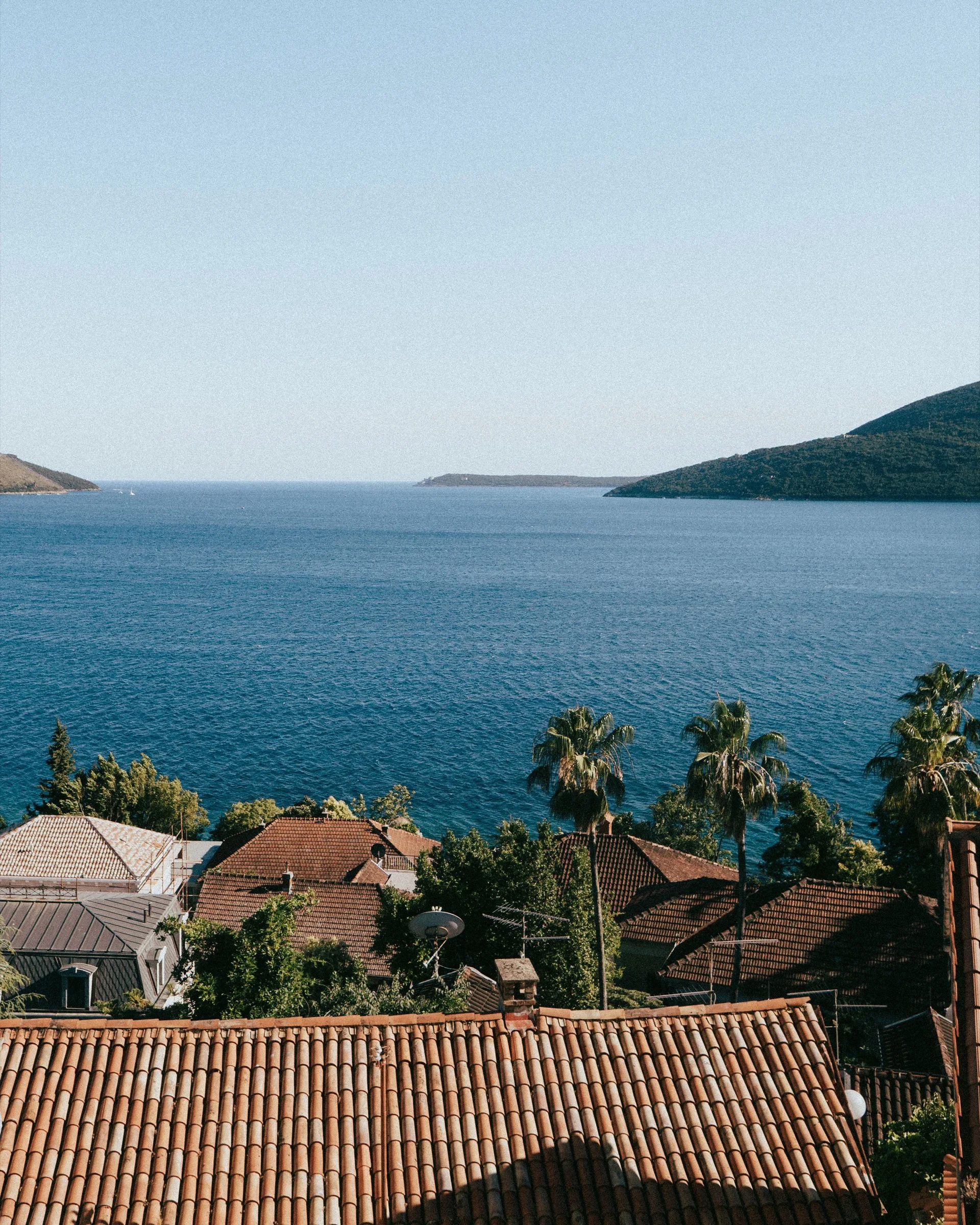
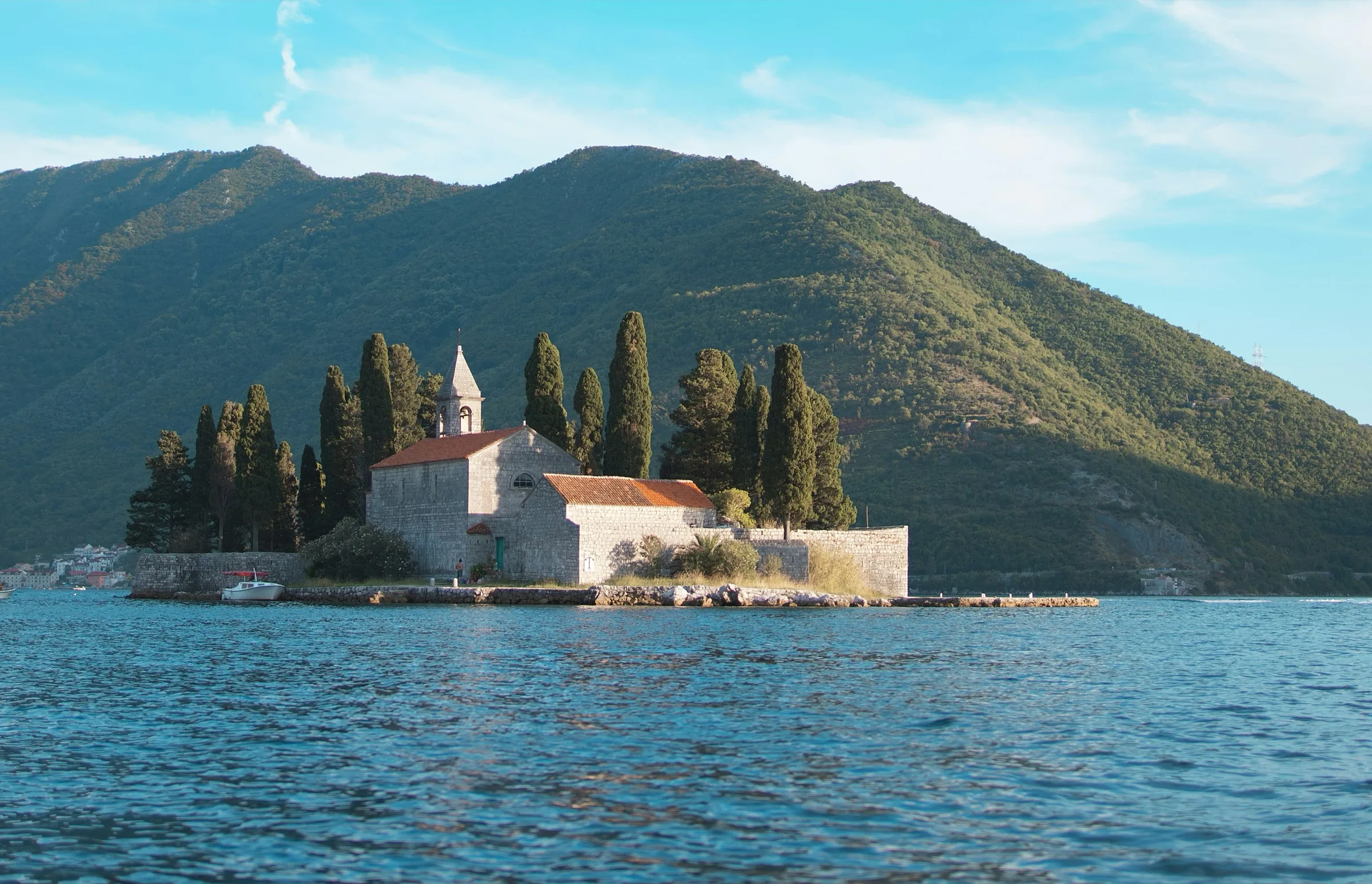
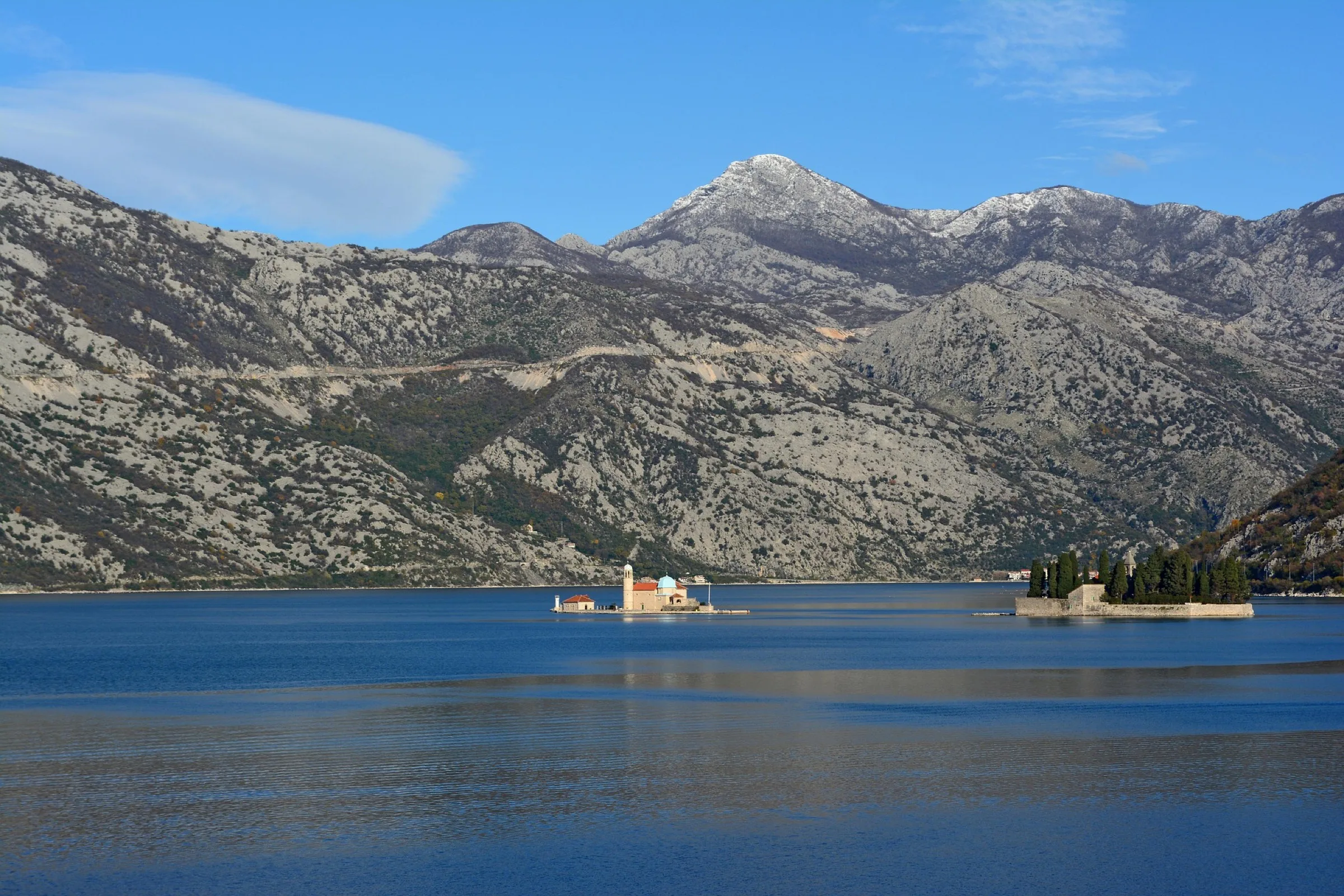
Just off Perast, the church of Our Lady of the Rocks stands on an artificial island created over centuries by local seafarers, beside the natural islet of St George. Every 22 July, the traditional Fašinada procession brings decorated boats together to carry stones towards the island, continuing a centuries-old local custom. At the entrance to the bay lies Herceg Novi, founded in 1382 by the Bosnian King Tvrtko I. Along another stretch of the coast, Tivat has developed into a modern marina destination, with Porto Montenegro occupying the site of the former naval shipyard.
What Makes It Special
A spectacular ria, where a submerged river valley lies between steep limestone mountains
The UNESCO-listed historic towns of Kotor, Perast and Risan
Our Lady of the Rocks, a remarkable church on an artificial island off Perast
Kotor's medieval city walls, climbing from the Old Town towards the Fortress of St John
A rich maritime heritage, traditional stone architecture and charming coastal villages
Good to Know
Location: South-western Montenegro, around Kotor, Tivat and Herceg Novi
UNESCO: The Natural and Culturo-Historical Region of Kotor has been a World Heritage Site since 1979
Getting there: Tivat Airport is about 4 km from the centre of Tivat on the shore of the bay and approximately 8 km from Kotor
Best time to visit: May to October for swimming and boat trips, while spring and autumn offer milder weather and quieter historic towns
Experiences
One of the best ways to appreciate the shape and beauty of the bay is from the water. Take a boat trip between the coastal towns and the islands near Perast, or explore the shoreline by car, stopping in villages such as Dobrota, Prčanj and Stoliv. In Kotor, wander through the narrow streets of the Old Town and climb the historic walls towards the Fortress of St John for a memorable view over the bay.
The region also has a lively calendar of cultural events and traditional celebrations. Visit Perast on 22 July for the Fašinada, or come to Kotor in summer for the KotorArt International Festival, which brings music and other artistic performances to historic venues throughout the town and the wider bay. In February, the Traditional Winter Kotor Carnival fills the streets with colourful costumes, music and festive celebrations. Herceg Novi welcomes spring with its famous Mimosa Festival, celebrating the arrival of the season with parades, music and local traditions.
Plan my trip
Tell us your dates. A real person answers, with a route.