Naval Heritage Collection Museum
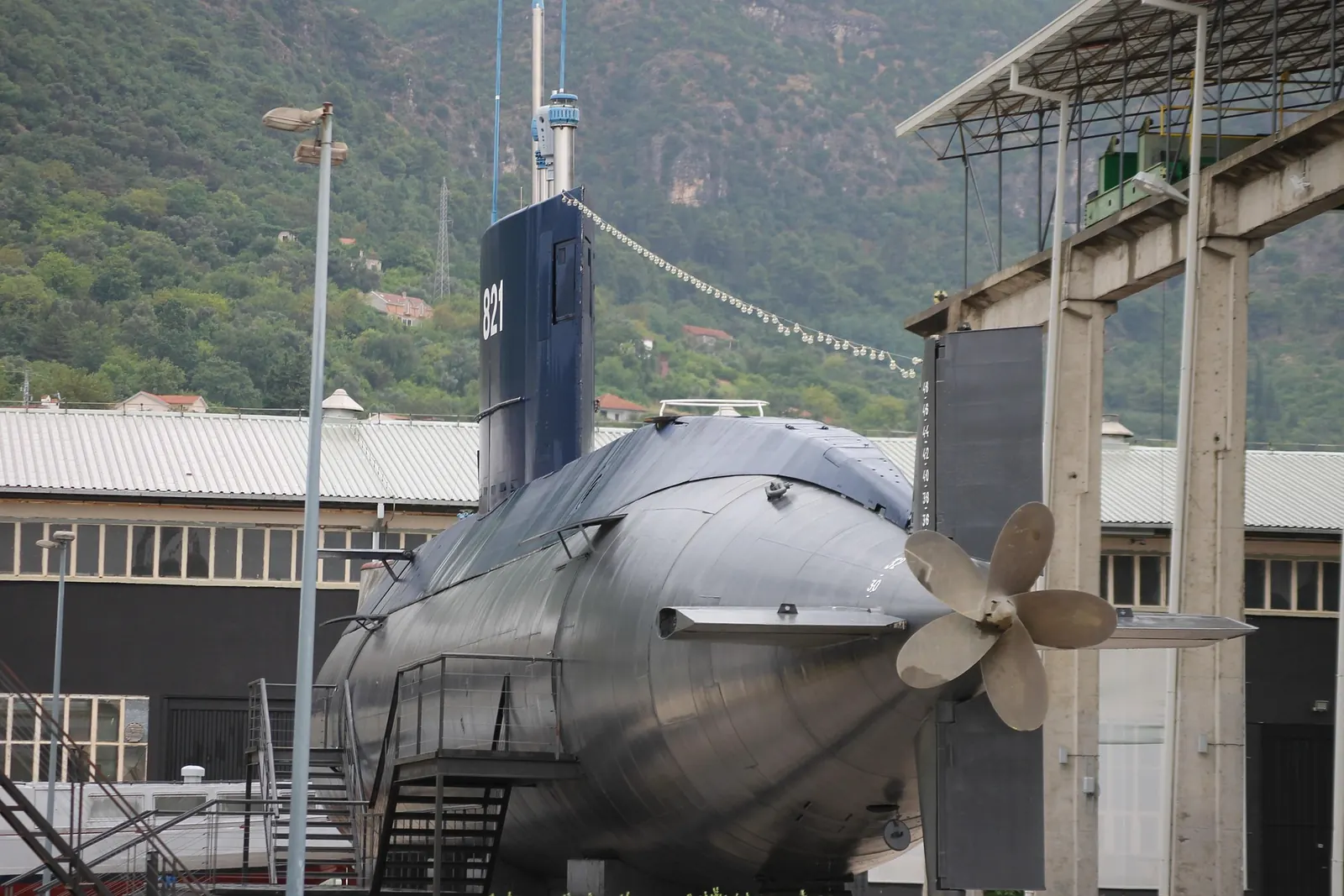
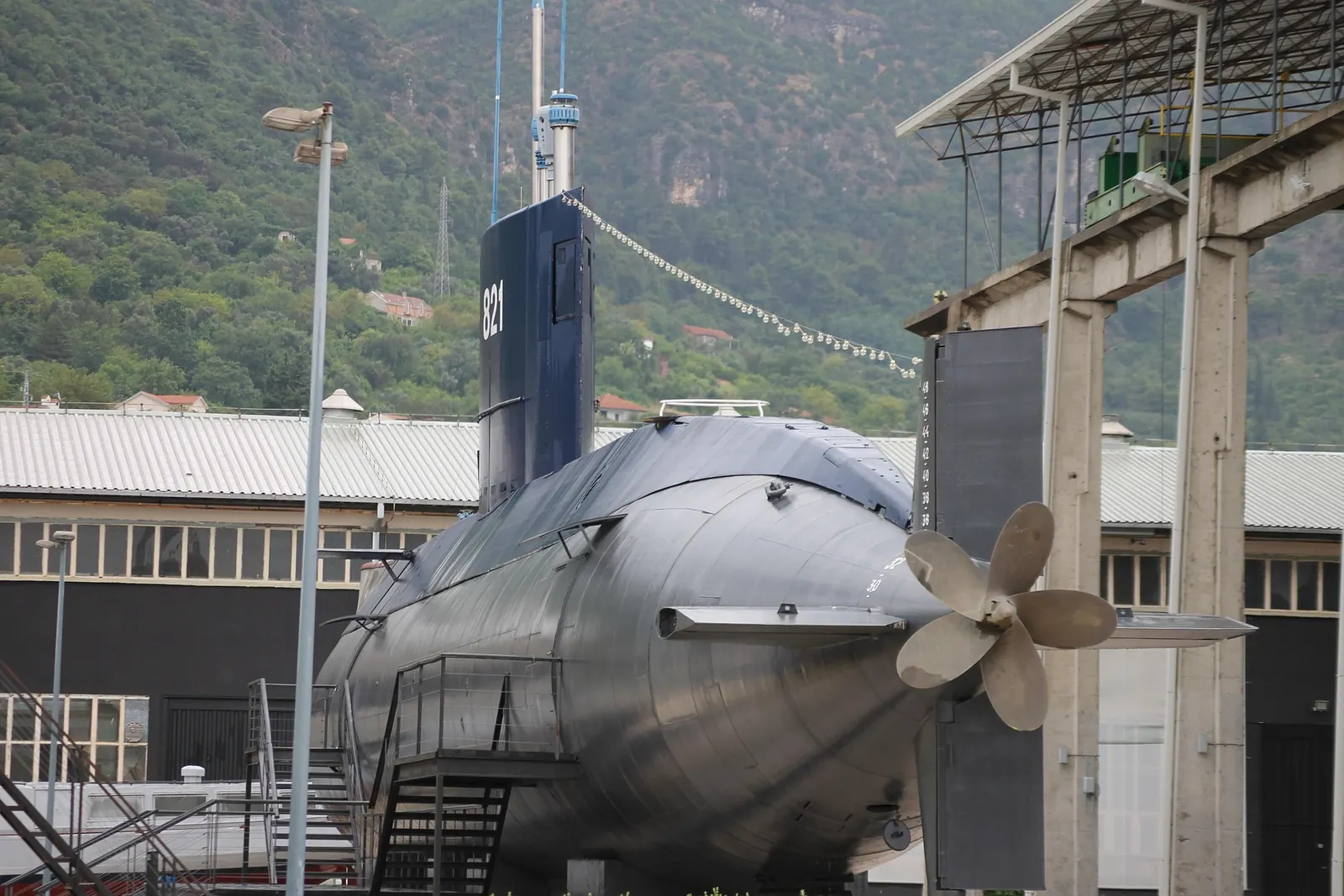
The Naval Heritage Collection Museum in Porto Montenegro tells the naval story of Tivat in a restored 19th-century sawmill, with over 300 artefacts and the submarine P-821 Heroj.
A naval museum in a restored Arsenal sawmill
- Address
- Blaža Jovanovića 1, Tivat
- Opening hours
- Tue–Sat 09:00–17:00
- Phone
- +382 69 356 031
About the Location
Located in Porto Montenegro, the Naval Heritage Collection Museum (Zbirka pomorskog nasljeđa) preserves the naval history of Tivat and the former Yugoslav Navy. The museum is housed in a beautifully restored 19th-century sawmill on the site of the former naval Arsenal, the shipyard that played a major role in the development of the town.
Inside, more than 300 exhibits tell the story of the region's maritime and naval heritage. The collection includes naval equipment and rare Austro-Hungarian artefacts, alongside two remarkable submarines, P-821 Heroj and P-912 Una.
The museum offers a rare opportunity to explore the world of naval engineering and life aboard a submarine. Visitors can step inside P-821 Heroj, walk through its narrow interior and discover the equipment and living spaces used by its crew.
History
The history of the naval Arsenal in Tivat dates back to 1888, when the heirs of the Luković family ceded land to the municipality and the Imperial and Royal Austro-Hungarian Navy for the construction of a naval facility. Over the following decades the Arsenal grew into the heart of the town, shaping Tivat's growth and identity for more than a century.
Following the end of Austro-Hungarian rule, the facility continued to serve the Yugoslav navy, in later decades as the naval repair institute Sava Kovačević. For generations, the Arsenal was the town's main employer and was closely connected with everyday life in Tivat.
After Montenegro gained independence, the naval facility gradually ceased its former military role. The site was later transformed into Porto Montenegro, a modern marina and waterfront destination. The Naval Heritage Collection Museum was established to preserve the memory of the Arsenal and the people who served there, connecting Tivat's maritime past with its present.
Submarine P-821 Heroj
The largest and most prominent exhibit is P-821 Heroj, the first of three Heroj-class submarines built for the Yugoslav Navy. Constructed in Split, it was launched in 1967 and commissioned in 1968.
The diesel-electric attack submarine measures 50.4 metres in length, had a crew of 28 and could dive to depths of up to 210 metres. Its armament included four torpedo tubes in the bow.
Heroj ended its active service in 1991. Former Yugoslav Navy submariners later helped restore it and in 2013 it opened to visitors in Porto Montenegro. Today, visitors can step inside and explore its compact interior, including the torpedo tubes, folding bunks used by the crew and the control room.
Submarine P-912 Una
The second submarine on display is P-912 Una, a much smaller midget submarine measuring 18.8 metres. Built in the 1980s, it belonged to the Una class and was designed for special naval operations, including laying mines and transporting naval commandos.
Together, the two submarines offer an insight into different aspects of Yugoslav naval engineering and the specialised missions carried out by its submarine fleet.
What Makes It Special
A naval museum housed in a restored 19th-century sawmill
More than 300 artefacts documenting Tivat's naval heritage
Historical Austro-Hungarian naval equipment
The opportunity to explore the interior of the P-821 Heroj submarine
The P-912 Una midget submarine, designed for special naval operations
A museum located on the historic site of the former Tivat Arsenal
Good to Know
Location: Porto Montenegro, Tivat, Montenegro
E-mail: [email protected]
Also known as: Zbirka pomorskog nasljeđa or Naval Heritage Museum
Main exhibits: Submarines P-821 Heroj and P-912 Una
Experiences
After visiting the museum, take a walk through Porto Montenegro, with its marina, waterfront promenade, restaurants and shops. Just a short walk away, Velji Gradski Park offers a quieter setting. Founded in 1892 by Admiral von Sterneck alongside the Arsenal, the park is known for its diverse collection of trees and plants. According to local tradition, sailors returning from their voyages brought trees to plant in the park.
From the Pine waterfront, you can arrange a boat trip around Tivat Bay and discover its nearby islands. Gospa od Milosti Island, with its historic Franciscan monastery, and the Island of Flowers, home to the remains of the Monastery of St Michael the Archangel, are both worth exploring. The trip can also include Sveti Marko Island, the largest island in the Bay of Kotor.
Explore by place
Gospa od Milosti Island
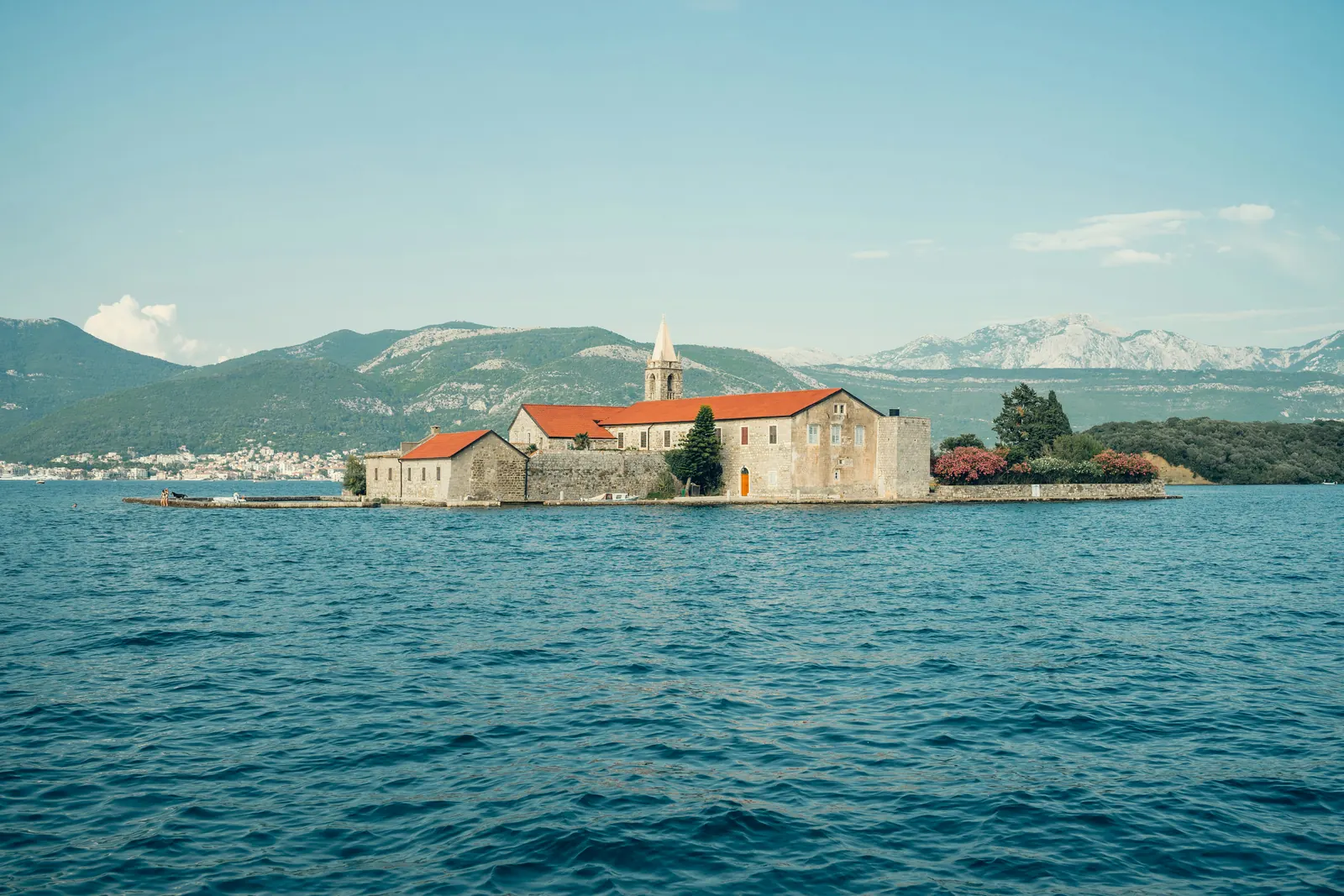
~3 kmGospa od Milosti Island (Our Lady of Mercy) is a small island in the Tivat bay with a Gothic church and a…

The Bay of Kotor
< 1 kmThe Bay of Kotor is a river canyon drowned by the Adriatic between steep mountains, with the UNESCO-listed…
Special Nature Reserve Tivatska Solila
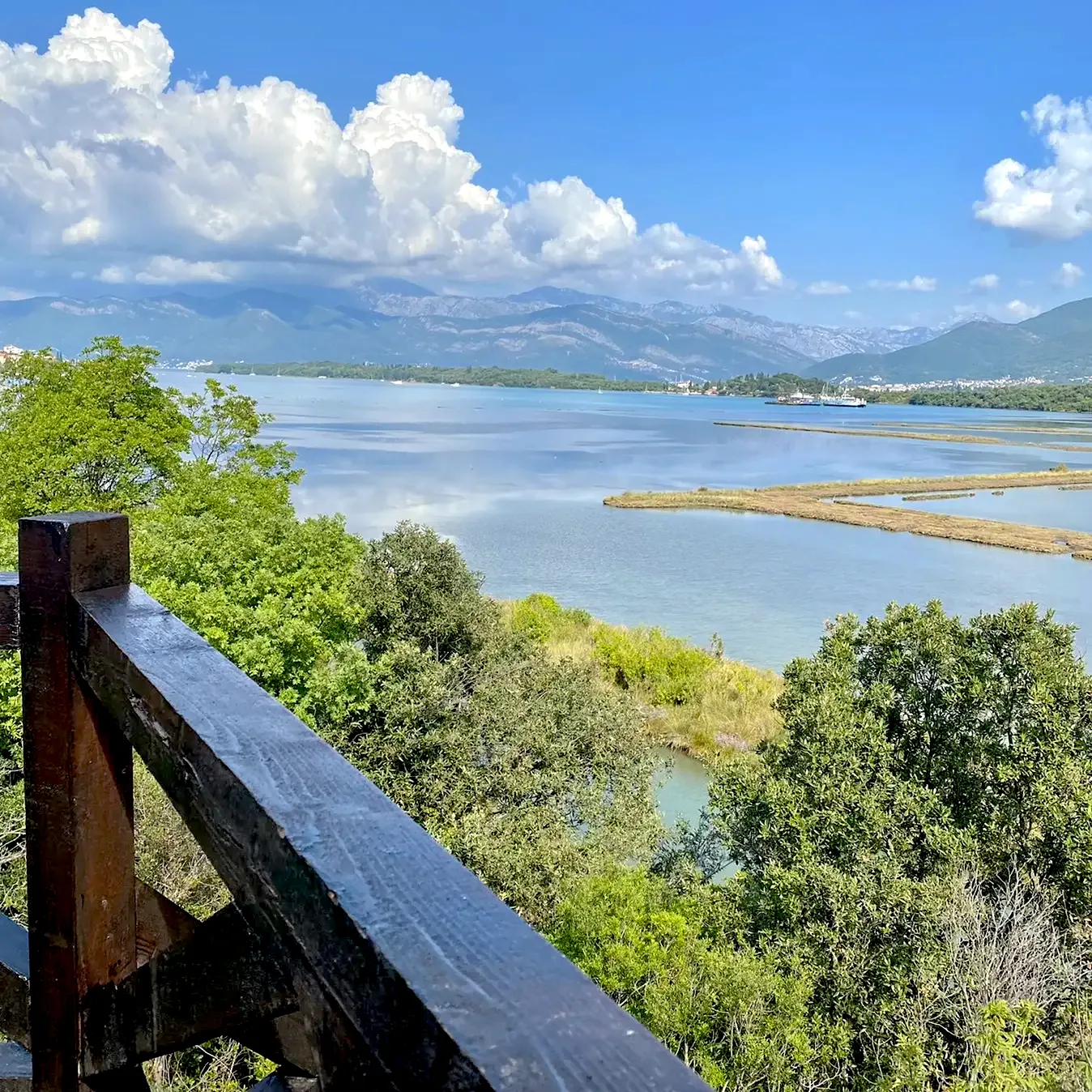
10 kmSolila is a special nature reserve of about 140 hectares on Tivat Bay, a former medieval salt pan and a…
Plan my trip
Tell us your dates. A real person answers, with a route.