Special Nature Reserve Tivatska Solila
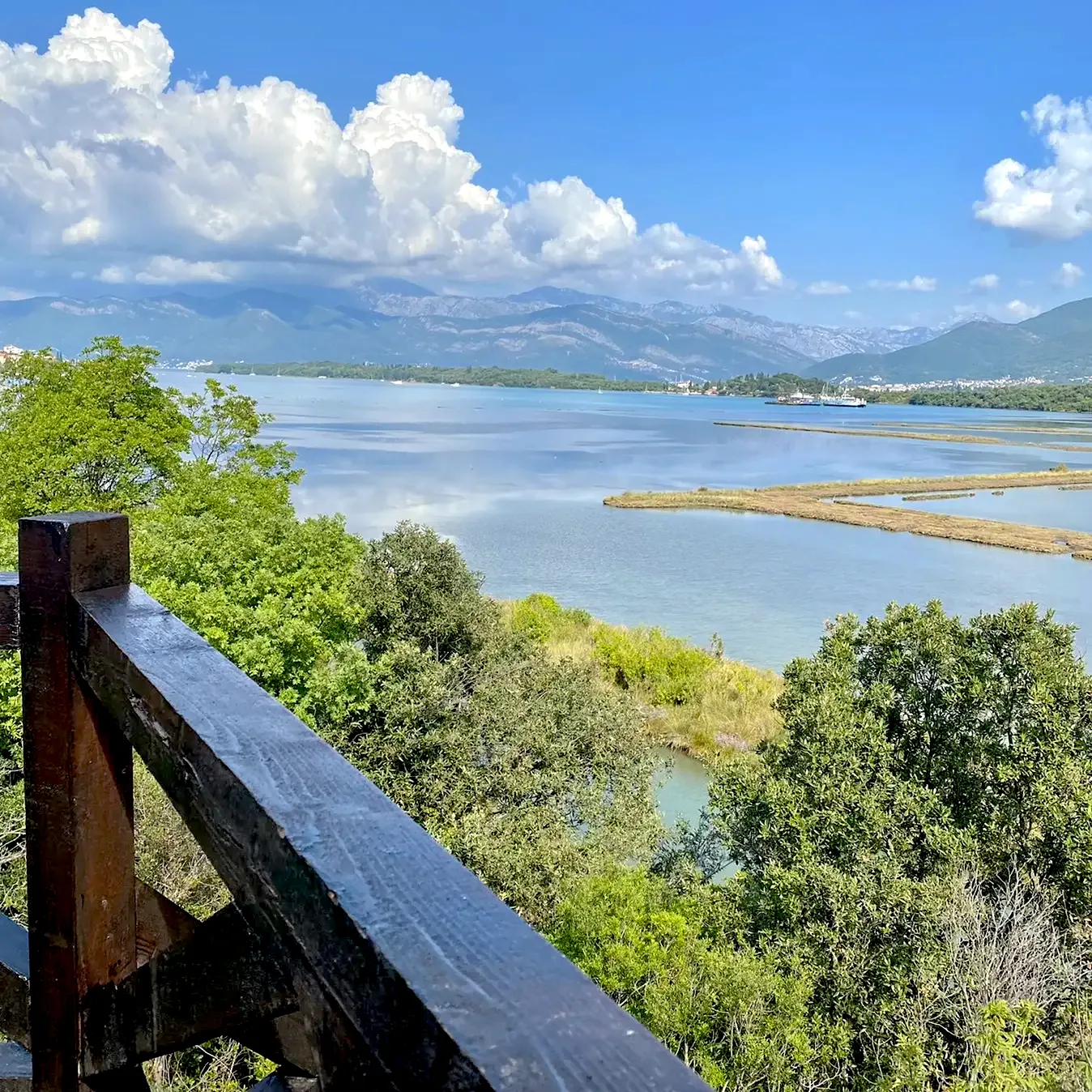
Solila is a special nature reserve of about 140 hectares on Tivat Bay, a former medieval salt pan and a wetland of international importance for migrating and wintering birds.
Old salt pans and a haven for birds on Tivat Bay
- Opening hours
- Open 24 hours
- Phone
- +382 69 316 158
About the Location
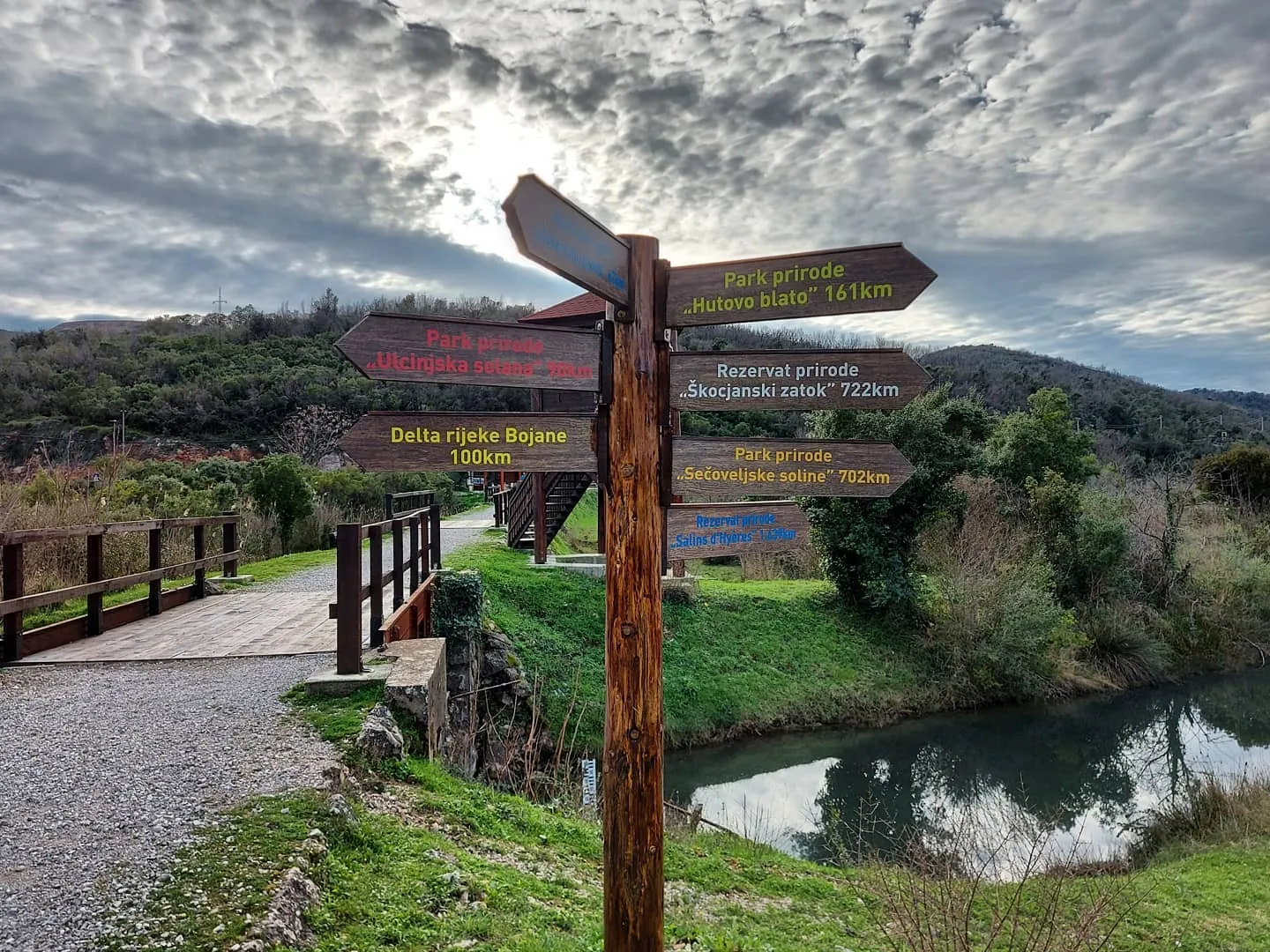
On the shore of Tivat Bay, in the marshy coastal belt of the Krtoli area opposite the town centre, lies the Special Nature Reserve Tivatska Solila (Posebni rezervat prirode „Tivatska solila”). Its roughly 140 hectares of old salt pans, shallow water and marsh form one of the last habitats of halophyte vegetation, plants adapted to salt water, on the eastern Adriatic.
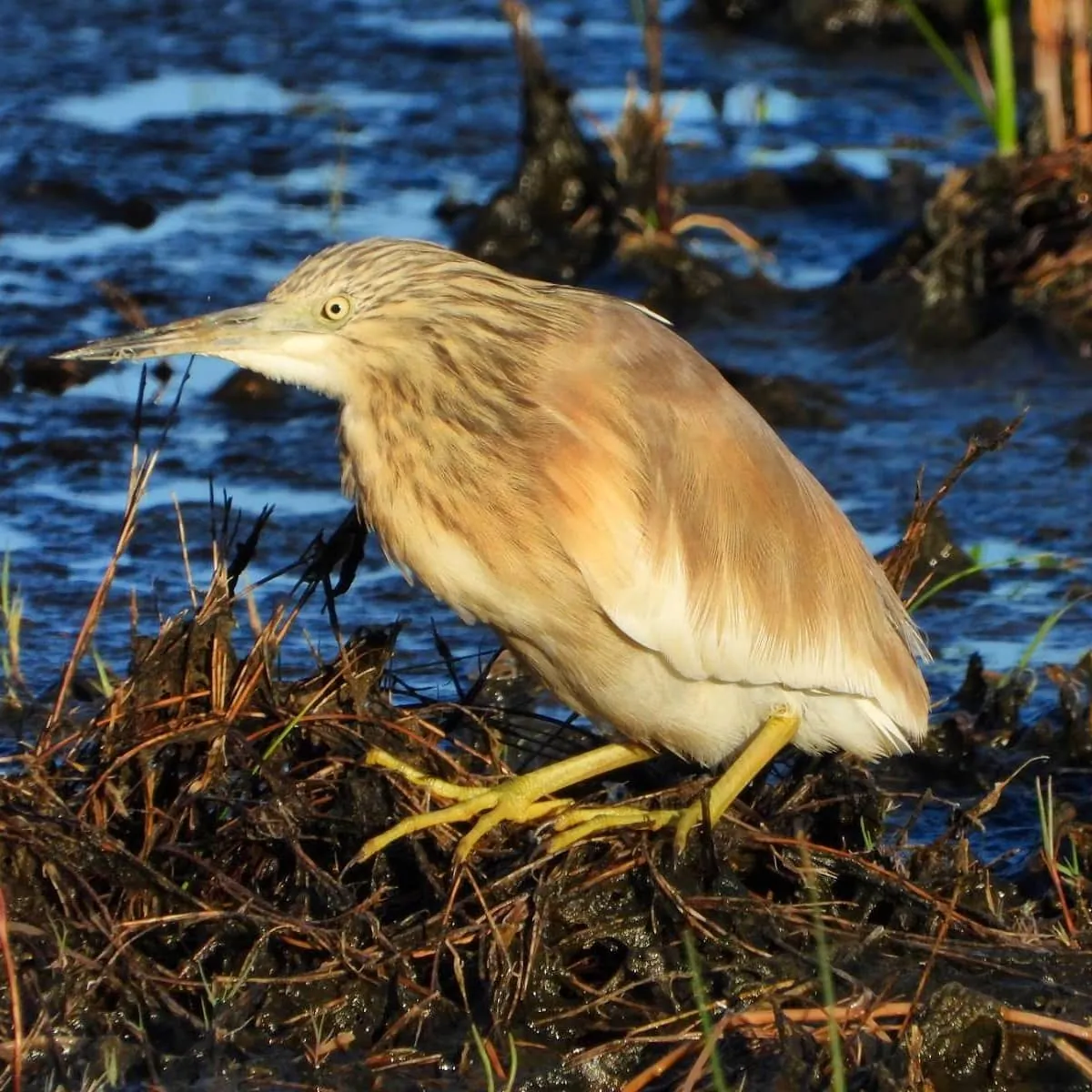
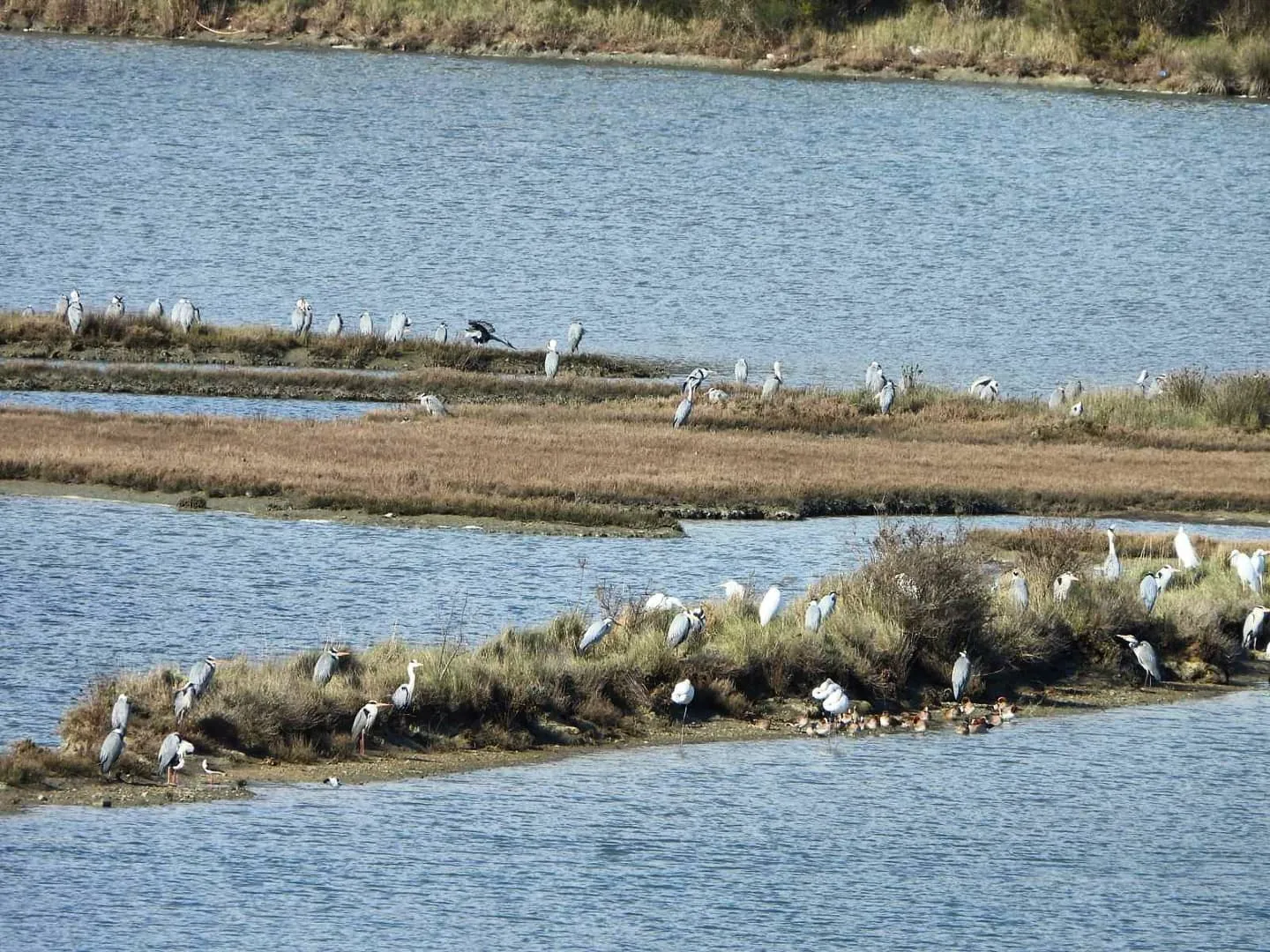
Solila lies on the Adriatic Flyway, the migration route birds follow along the Adriatic coast. Many species rest here on their way in spring and autumn and many spend the winter on the shallow water. Herons and egrets feed in the shallows, while cormorants, grebes, avocets and ducks gather on the open water. So far 185 bird species have been recorded here, out of around 330 that can regularly be seen in Montenegro.
The reserve was protected in 2008 as a special nature reserve, chiefly for its birds and plant communities. Since 2013 it has been on the Ramsar list of wetlands of international importance. It has been an Important Bird Area since 2009, it is an Emerald site under the Bern Convention and it is on the preliminary Natura 2000 list.
History
Salt was made here as early as the Middle Ages. The salt pans are first mentioned in the books of the Kotor notaries in 1333, at a time when Kotor was one of the four salt markets of the Nemanjić state. In the second half of the 18th century Venice banned the small salt pans along the Adriatic coast.
Between 1959 and 1963 a new saltworks was built on the old pans. It produced salt for only two seasons. In the 1960s cheaper salt imported from North Africa put an end to many small traditional salt pans. By the end of the decade Solila had been abandoned. Nature has since taken the pans back. Close to the reserve stand two Bronze Age burial mounds, Velika and Mala gruda.
Flora and fauna
The plant life of Solila is shaped by salt. Halophytes, plants that tolerate salt water, cover the old pans and the edges of the marsh, a type of vegetation that has almost disappeared from the eastern Adriatic coast. The most typical of them is glasswort (Salicornia europaea), which turns a striking red in autumn because the salty soil is poor in nitrogen.
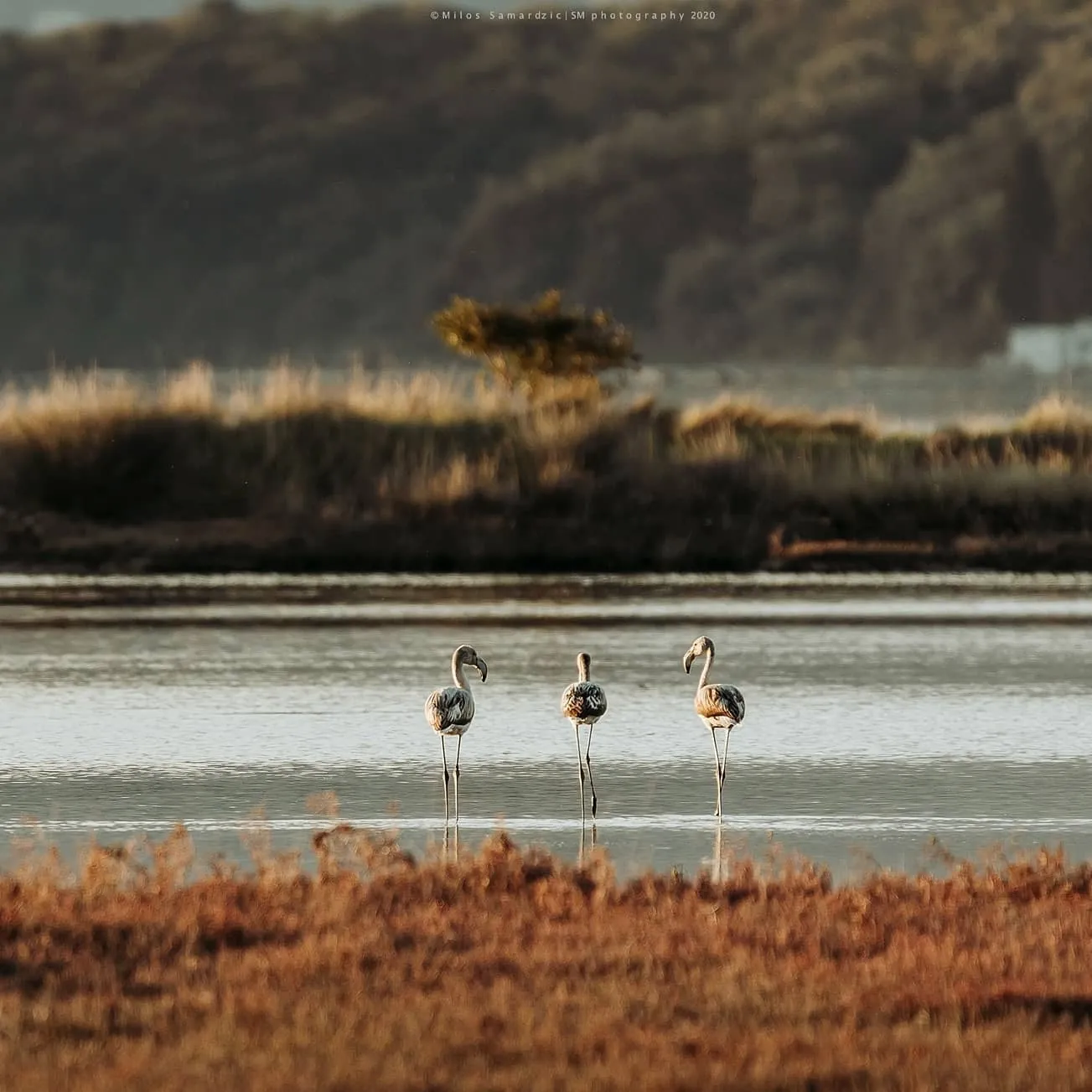
Birds are the reason most visitors come. Grey herons, great white egrets and little egrets are seen through the summer, while cormorants, grebes, coots, ducks, gulls and waders use the water in other seasons. Cranes and storks appear more rarely. Birds of prey such as harriers hunt over the marsh. In September 2020 two flamingos appeared here after more than ten years.
The reserve is also home to ten species of reptiles, five of amphibians including the smooth newt, about 160 species of insects and around ten species of fish. Bats, wild cats and foxes live in and around the marsh.
What makes it special
About 140 hectares of former salt pans, shallow water and marsh on Tivat Bay
A Ramsar wetland of international importance since 2013 and an Important Bird Area
One of the last habitats of halophyte vegetation on the eastern Adriatic
185 bird species recorded so far, out of around 330 regularly seen in Montenegro
A resting and wintering place on the Adriatic Flyway for herons, egrets, cormorants, grebes and ducks
Salt pans first mentioned in the records of the Kotor notaries in 1333
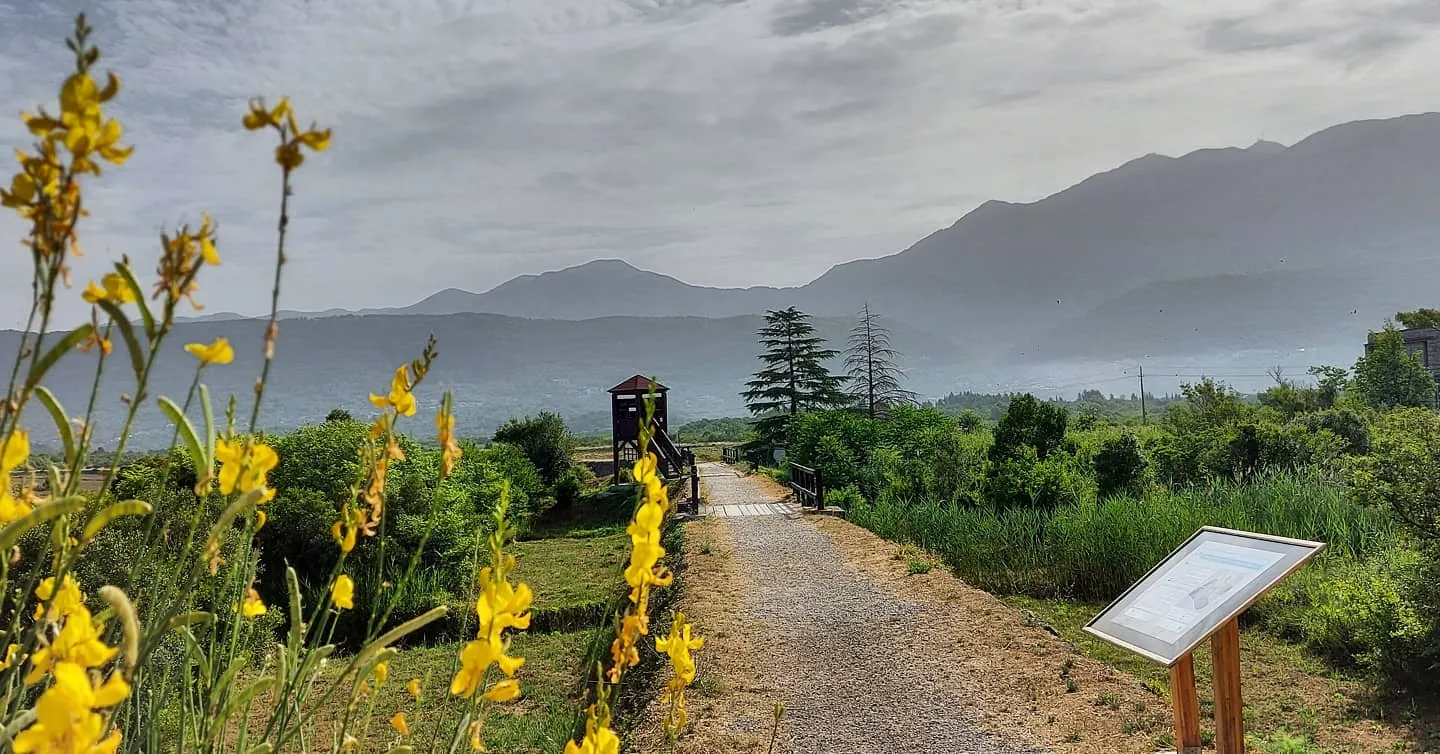
Two observation towers and walking trails, with free entry
Good to know
Location: Tivat Bay, in the Krtoli area opposite the town centre, about 6 kilometres by road from Tivat Airport
Area: About 140 hectares
Protection: Special nature reserve since 2008, Important Bird Area since 2009, Ramsar site since 2013
Entry: Free, with up to 30 visitors in the reserve at one time
Facilities: Two observation towers and walking and cycling paths with benches
Best time to visit: Spring and autumn for migrating birds, winter for the birds that stay
Recommended: Keep quiet, stay on the paths and hunt the birds only with a camera
Managed by: Public Enterprise for Coastal Zone Management (JP Morsko dobro), morskodobro.me
Email: [email protected]
Experiences
Solila is best explored slowly, with binoculars or a camera. The paths lead along the old salt pans to two observation towers, where you can watch the birds without disturbing them. A viewpoint by the main road to Krtoli looks out over the whole reserve. Spring and autumn, when migrating birds pass through, are the liveliest seasons.
Combine a visit with a boat trip to Gospa od Milosti Island, a day on the beaches of the Luštica peninsula such as Plavi Horizonti or a visit to the Naval Heritage Collection Museum in Porto Montenegro.
Explore by place
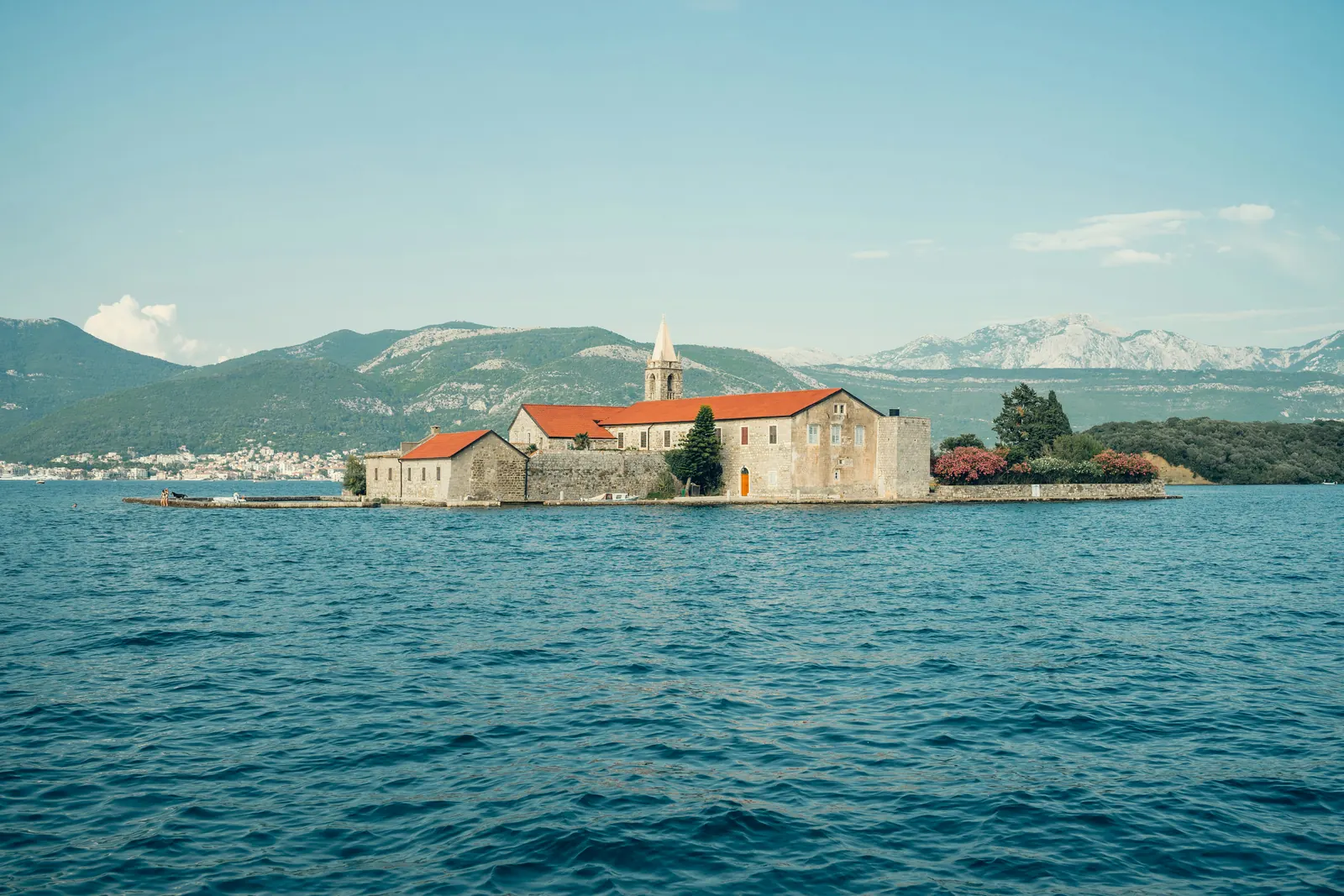
Gospa od Milosti Island
~3 kmGospa od Milosti Island (Our Lady of Mercy) is a small island in the Tivat bay with a Gothic church and a…

Naval Heritage Collection Museum
10 kmThe Naval Heritage Collection Museum in Porto Montenegro tells the naval story of Tivat in a restored…
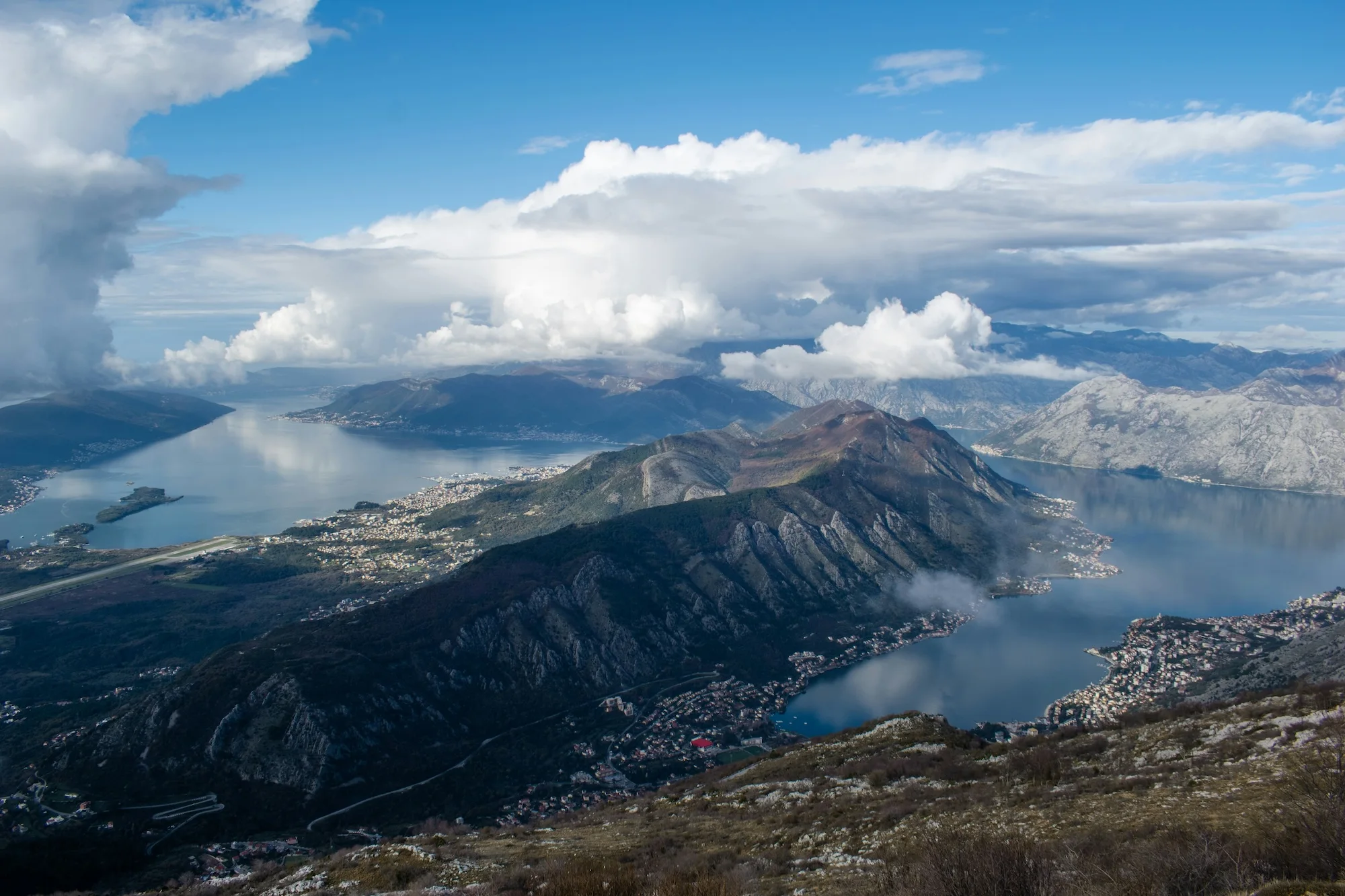
The Bay of Kotor
< 1 kmThe Bay of Kotor is a river canyon drowned by the Adriatic between steep mountains, with the UNESCO-listed…
Plan my trip
Tell us your dates. A real person answers, with a route.